Every AI image tool promises “consistent characters.” Most of them mean: sometimes the same vibe. I needed something stricter — the same face across outfit changes, new locations, and multi-shot lookbooks — without training a LoRA.
I spent a week stress-testing Nano Banana 2 character consistency with reference images on NanoBananaTool: portrait sheets, outfit swaps, multi-pose sets, and “same person, new scene” prompts. This is the workflow that held identity best, plus the failure modes that still break it.
In this article
- TL;DR workflow
- Why text-only prompts fail
- Build a reference sheet (3–6 images)
- Prompt formula: lock identity, change only the scene
- Outfit, pose, and multi-shot recipes
- Common drift fixes
- When to use Nano Banana Pro instead
- Try it in NanoBananaTool
- FAQ
TL;DR workflow
| Step | Do this | Don’t do this |
|---|---|---|
| 1 | Upload 1 clear face reference (or a small sheet) | Describe hair/eyes differently every prompt |
| 2 | Start prompts with identity lock language | Bury identity at the end of a long scene |
| 3 | Change only wardrobe / location / camera | Redescribe the whole person each time |
| 4 | Regenerate with the same refs if drift appears | Add more random style adjectives |
Keep the same character in your browser
Upload a reference, lock identity in the prompt, then generate pose and outfit variants on NanoBananaTool.
Try Nano Banana 2 on NanoBananaTool
Why text-only prompts fail
Text is great for mood. It is bad at biometric continuity.
If prompt A says “woman with auburn hair and green eyes” and prompt B says “young female redhead, emerald gaze,” the model treats them as cousins, not clones. Nano Banana 2 gets much more reliable when a reference image carries identity and the prompt only directs the new scene.
That is the no-LoRA point: you are not training a character model. You are re-anchoring the same visual identity every generation.
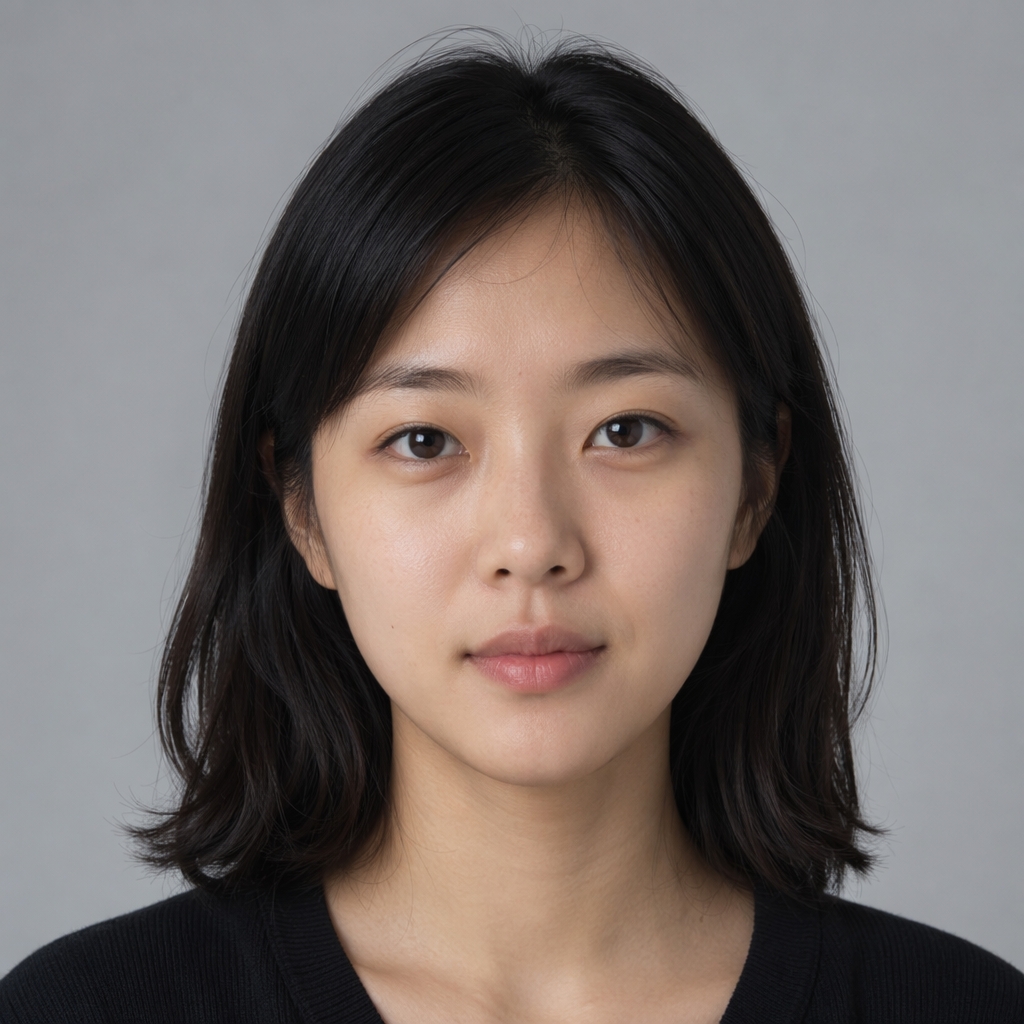
Build a reference sheet (3–6 images)
Best results I got used a small set, not a dump of 20 similar selfies.
Minimum viable sheet
- Front face, neutral light
- 3/4 view
- Full body or waist-up in neutral clothes
Stronger sheet (add if needed)
- Profile
- Expression variation (smile / serious)
- One “hero” look you want preserved (signature jacket, glasses, hair length)
Reference quality rules
- Sharp eyes and mouth; avoid heavy filters
- One identity only per sheet
- Similar lighting across refs beats “artistic chaos”
- Crop tight enough that the face is readable
Prompt formula: lock identity, change only the scene
Use this skeleton every time:
Same person as the reference image(s). Preserve exact face, age, skin tone, hairstyle, and body proportions.
[NEW SCENE ONLY]: {pose}, {wardrobe}, {location}, {camera}, {lighting}.
Do not change identity. High detail, natural skin.
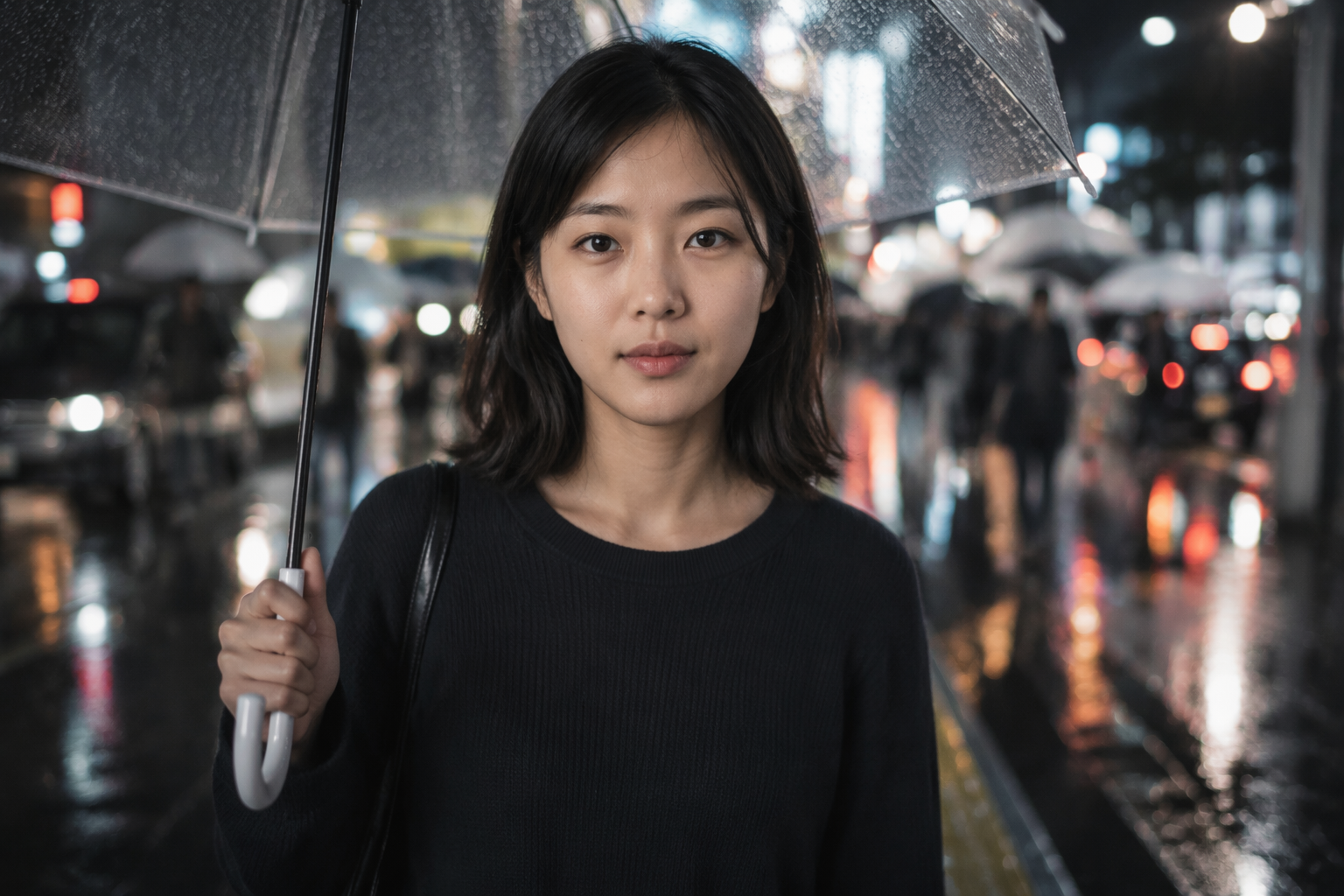
Example A — new location
Same person as the reference image. Preserve exact face and hairstyle.
Walking through a rainy Tokyo street at night, cinematic wet reflections, medium shot, 50mm, natural skin texture.
Do not change identity.
Example B — new outfit
Same person as reference image 1. Preserve face and body identity.
Wear the outfit from image 2 with realistic fabric drape and correct scale.
Studio softbox lighting, lookbook pose, ecommerce fashion photo.
Do not alter facial features.
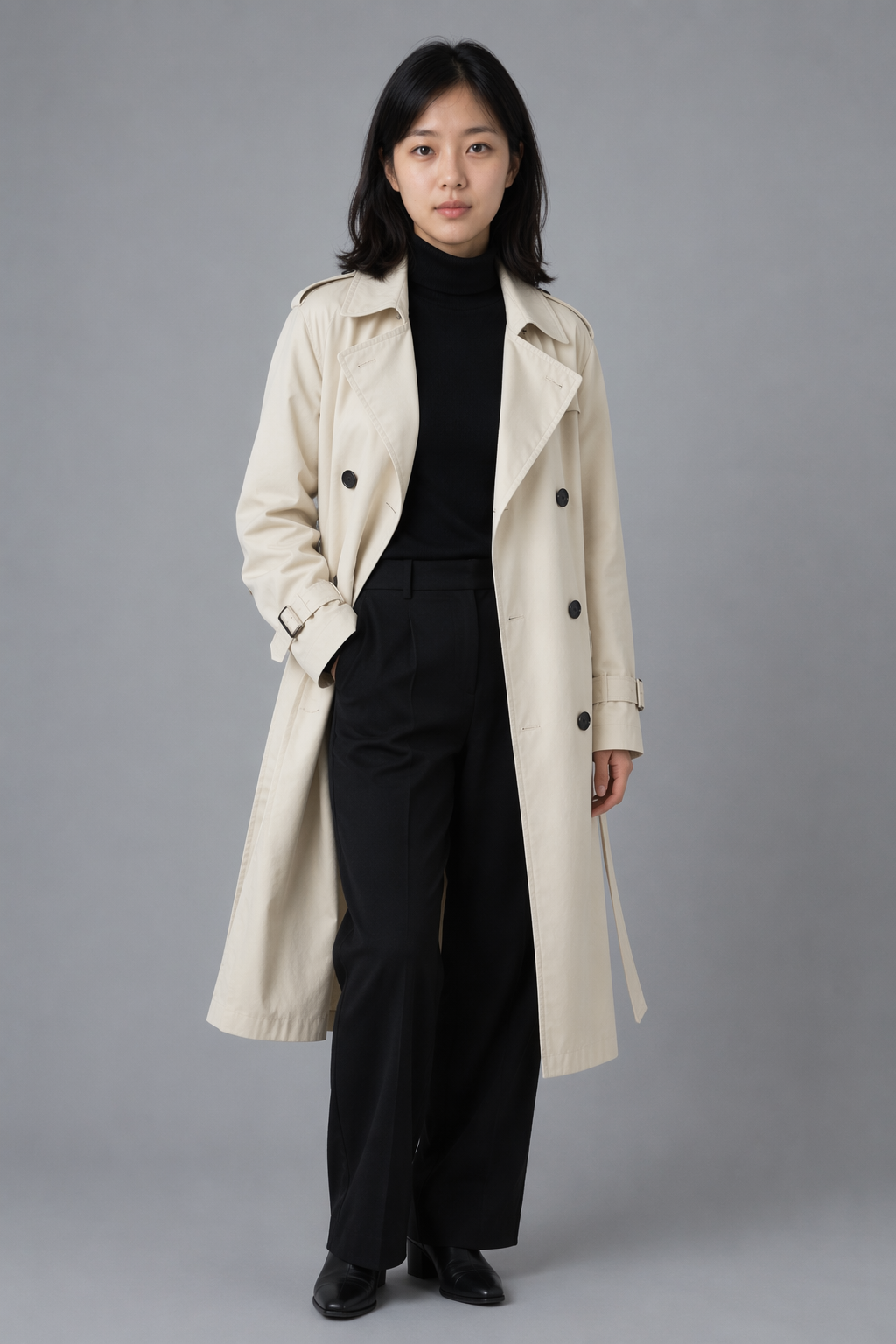
Example C — multi-pose pack
Same character as the reference sheet. Preserve identity across the frame.
Standing pose, three-quarter angle, hands relaxed, clean studio background, full body.
Consistent face and hair with references. Fashion lookbook.
Outfit, pose, and multi-shot recipes
1) Lookbook from one face
- Upload face reference.
- Generate 4 prompts that only change pose words:
front / three-quarter / walking / seated. - Keep wardrobe text identical for the first pass.
- Then swap wardrobe in a second pass.
2) Virtual try-on without losing the face
image 1= personimage 2= garment- Prompt must say preserve face and body identity from image 1 before describing the clothes.
3) Character across story beats
For storyboards or ad sequences, reuse the same reference set for every shot. Change only:
- camera distance
- action verb
- environment
If you change hair length “for drama,” you are starting a new character.
Common drift fixes
| Symptom | Fix |
|---|---|
| Face slowly morphs over a series | Re-attach original refs; shorten scene text |
| Hair length / color shifts | Name the hair once, identical wording every prompt |
| Age jumps | Add “same age as reference” |
| Body type changes in full-body shots | Include a waist-up or full-body reference |
| Style overpowers identity | Remove artist-name spam; keep “natural skin” |
| Group scenes merge faces | Limit to 1–2 characters; stronger single-face refs |
My take: most “Banana is inconsistent” complaints are actually prompt drift — people rewrite the person every time.
When to use Nano Banana Pro instead
Use Nano Banana 2 for fast lookbooks, ecommerce try-on, and social variants.
Reach for Nano Banana Pro (or your highest-fidelity tier on NanoBananaTool) when:
- you need tighter multi-reference locking
- labels/logos in-frame must stay readable beside the character
- you are producing hero campaign stills where small facial drift is unacceptable
If you are unsure, generate the series on 2 first. Promote only the failing shots to Pro.
Try it in NanoBananaTool
- Create a 3-image reference sheet.
- Run Example A and Example B above on Generate.
- Save the best identity lock as your default template on Banana Prompts.
- Optional: turn a winning still into motion with Seedance 2.0.
Character consistency without LoRA training
Reference in → scene out. Same face across outfits and locations.
Final verdict
Nano Banana 2 character consistency is real when you treat references as the source of truth and prompts as stage directions. No LoRA, no fine-tune — just disciplined inputs.
If you only remember one line, remember this: describe what changes, not who they are.
FAQ
How do I keep the same face with Nano Banana 2?
Upload a clear face reference (or a small sheet) and start every prompt with identity-lock language. Change only pose, wardrobe, and location.
Do I need LoRA for character consistency?
Not for most lookbooks and ecommerce try-on. Reference images on Nano Banana 2 are enough when you stop rewriting facial descriptions each time.
How many reference images work best?
Three strong views beat ten weak selfies. Add more only for missing angles.
Why does my character still drift?
Usually mixed wording, weak refs, or oversized scene prompts. Re-anchor with the original sheet and shorten the text.
Can I do this on NanoBananaTool?
Yes — use Generate with references, and keep reusable prompt text in Banana Prompts.