Seedance 2.0 vs Kling 3.0: I Compared Them for Real Motion Jobs
Video model wars move weekly. I compared Seedance 2.0 vs Kling 3.0 on jobs I actually ship: product motion, UGC-style clips, and image-to-video from a locked still.

TL;DR
| Criterion | Edge |
|---|---|
| Image-to-video from a still | Seedance 2.0 (my workflow) |
| Flashy action aesthetics | Kling often impressive |
| Prompted camera moves | Both strong; test your brief |
| Shipping inside NanoBananaTool | Seedance |
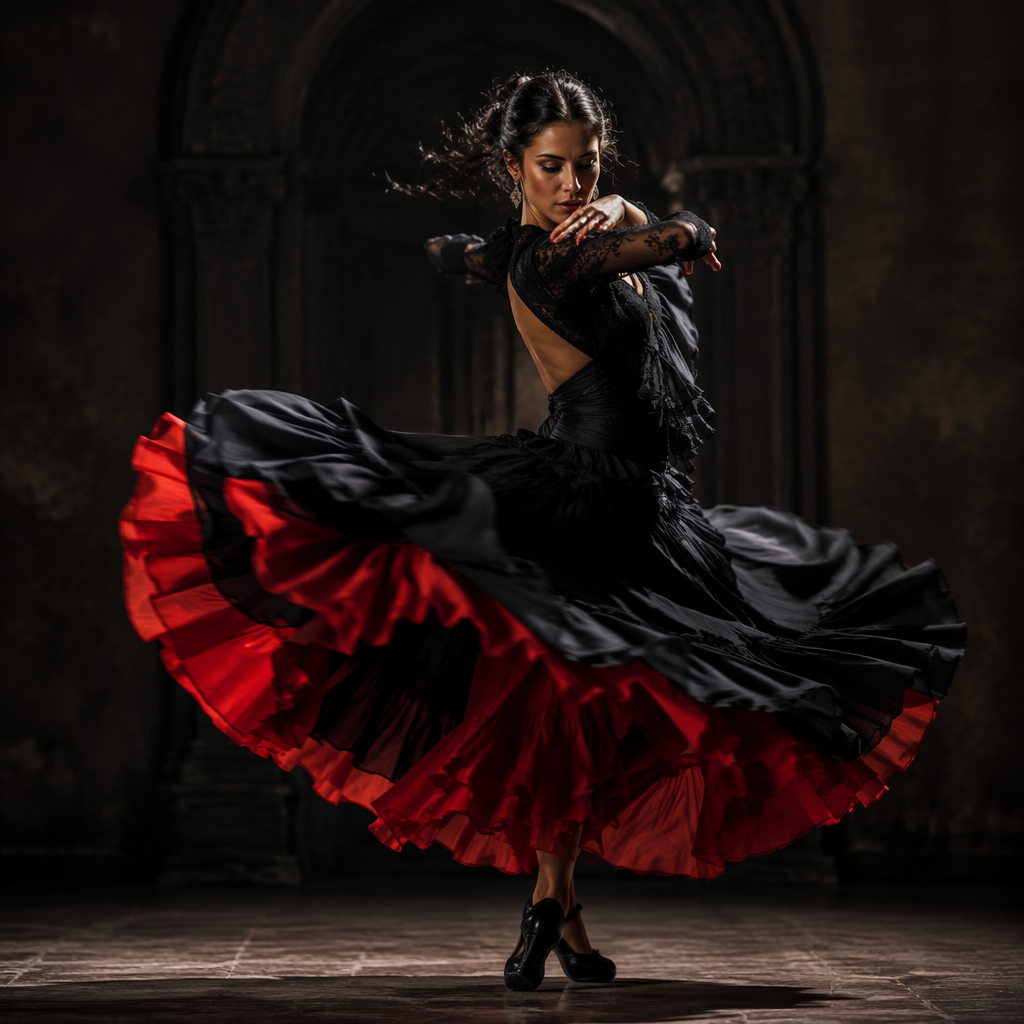
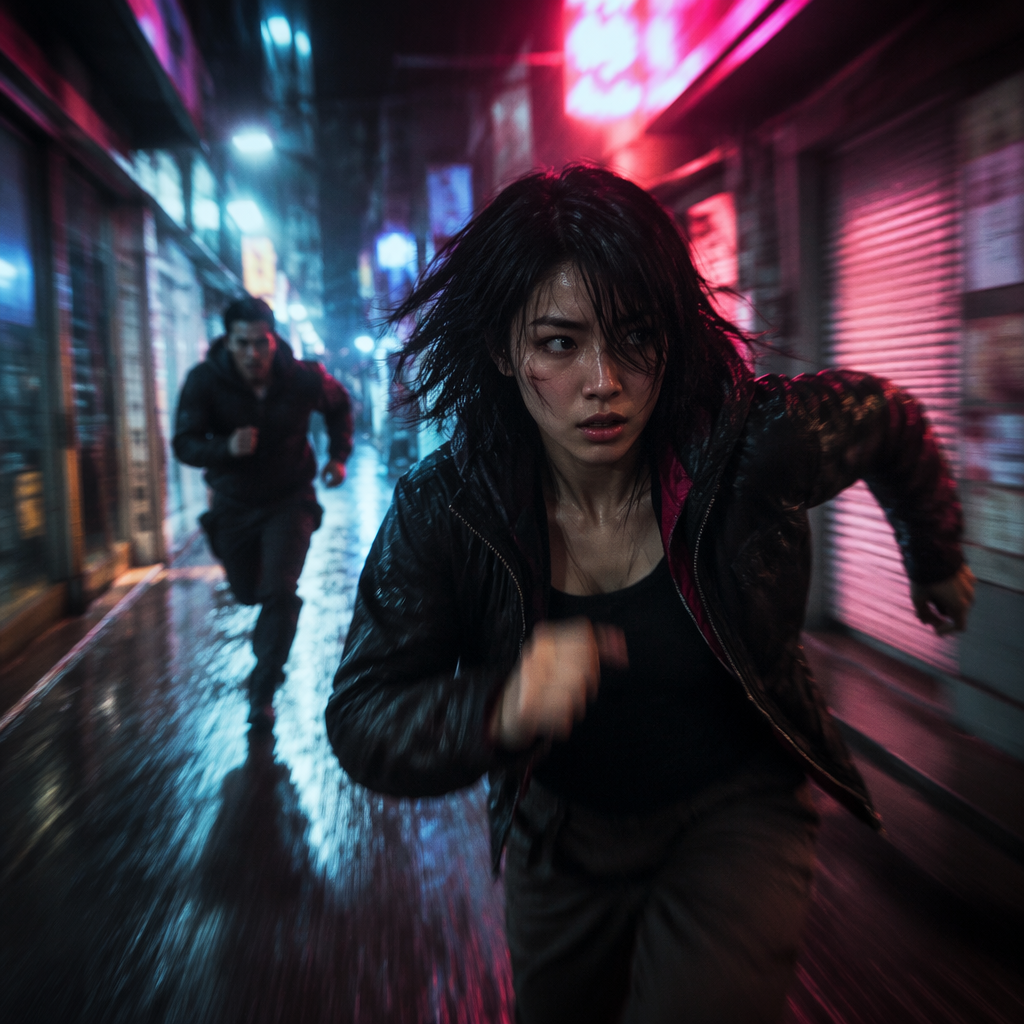
How I tested
Same stills into image-to-video, same text prompts for push-in / orbit, and a UGC handheld brief. I watched identity drift, flicker, and “did the camera do what I asked?”
Seedance 2.0 strengths
For my stack, Seedance is the practical still → clip path, especially when the first frame is already on-brand. Tutorial context: /blog/seedance-2-0-image-to-video-tutorial.
Kling 3.0 strengths
Kling can look aggressive and cinematic on action prompts. If the brief is spectacle-first, it’s a serious contender.
Comparison table
| Dimension | Seedance 2.0 | Kling 3.0 |
|---|---|---|
| I2V from product still | Excellent daily driver | Strong |
| Identity stability | Good with clean stills | Watch faces on hard motion |
| Prompt cameras | Reliable in my tests | Strong, sometimes wild |
| Workflow fit | Native on /seedance-2 | Varies by host |
My pick
For ecommerce and UGC pipelines on NanoBananaTool, I default to Seedance 2.0. I still spot-check Kling when the creative director wants maximum chaos energy.
Prompts: /blog/seedance-2-0-image-to-video-prompts.
FAQs
Is Kling 3 always better than Seedance 2.0?
No—depends on motion style and pipeline.
What about Seedance 2.5?
Treat as follow-up unless your brief needs the newer tier.
Image-to-video or text-to-video first?
If brand still exists, I2V. Else T2V prompts.
Can I use both?
Yes—draft spectacle in one, finish I2V in Seedance.